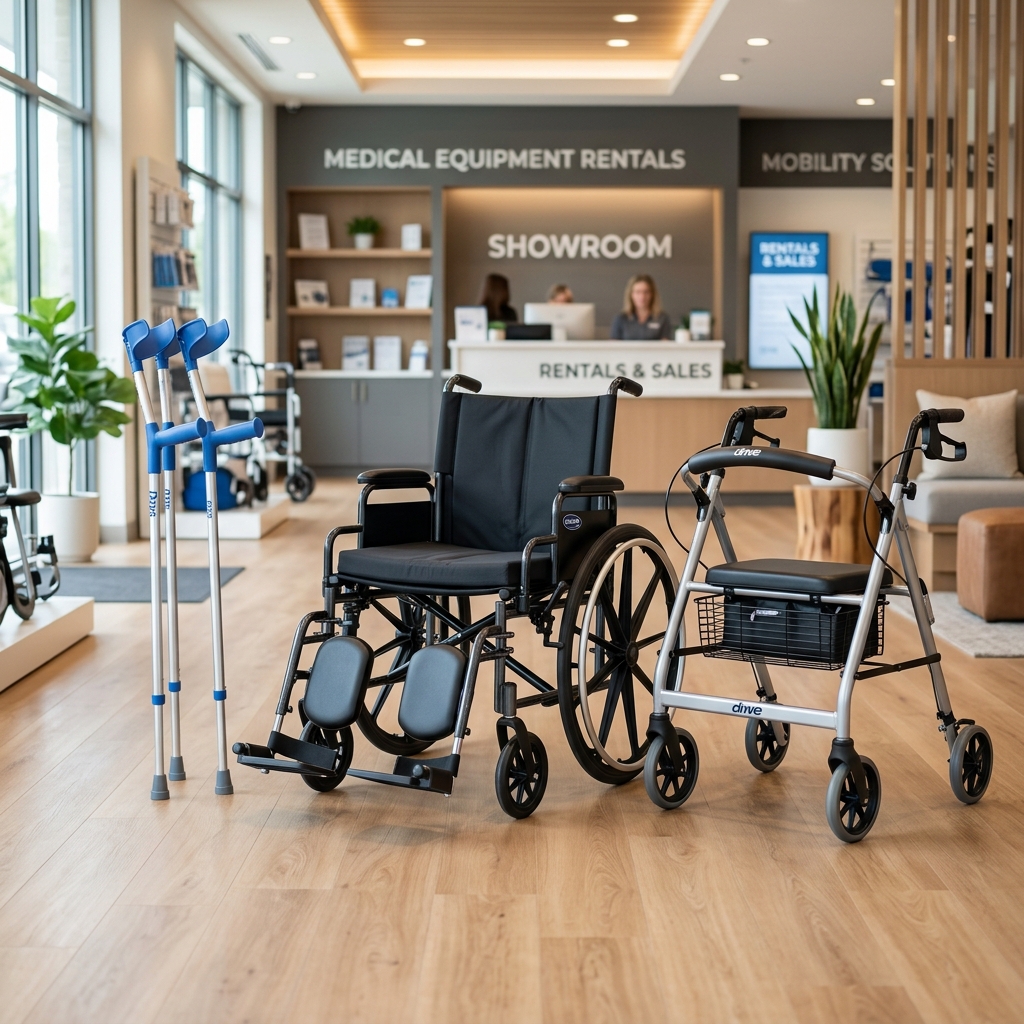
Walker vs Rollator vs Wheelchair: How to Choose the Right Mobility Aid
Introduction
Choosing a mobility aid is one of the most important decisions you or a loved one can make when it comes to independence and safety at home. The options can feel overwhelming walkers, rollators, wheelchairs, canes and no two people have exactly the same needs. The right choice depends on your current level of balance, your strength, how far you need to travel each day, and whether you are recovering from something temporary or managing a longer-term condition. Understanding what each aid is designed for is the first step to making a confident choice.
Walkers Maximum Stability
A standard walker is the most stable mobility aid available and is often recommended immediately after surgery or for people who need to bear significant weight on their aid with every single step. Unlike a rollator, a standard walker has no wheels it must be lifted and placed forward with each stride, which gives you full control and maximum contact with the ground. This makes it especially well-suited for indoor use on smooth surfaces. Front-wheeled walkers, which have two small wheels at the front and two rubber-tipped legs at the back, offer a middle ground slightly easier to move forward while still providing strong stability. If your balance is significantly compromised or you are in the early stages of post-surgical recovery, a walker is almost always the right starting point.
Rollators Independence and Convenience
A rollator is a four-wheeled walker equipped with hand brakes and, in most cases, a built-in padded seat and storage basket underneath. It is designed for people who are reasonably mobile but want extra support and the reassurance of something to hold onto, particularly over longer distances or on uneven outdoor surfaces. The hand brakes are an important feature they allow you to slow down or stop securely, and to lock the rollator in place when you sit down to rest. Rollators work best for people who have enough hand and grip strength to operate the brakes reliably. If you are active, frequently move between indoors and outdoors, or simply want more independence without compromising safety, a rollator is a strong and popular choice.
Wheelchairs Full Support Options
- Manual wheelchair self-propelled or attendant-pushed, ideal for full weight support
- Power wheelchair battery-operated, for those with limited upper body strength
- Transport chair lightweight, attendant-only, for outings and travel
- Best for: limited or no ability to bear weight, fatigue management, longer outings
- Also commonly used as a temporary aid during recovery from major surgery or injury
Key Questions to Ask Before Choosing
- How far do I need to travel on a daily basis short distances at home, or longer outings?
- Will I use this primarily indoors, outdoors, or both?
- Can I bear full or partial weight on my legs right now?
- Do I need somewhere to sit and rest during use?
- Will a caregiver or family member be assisting me?
- Is this for temporary recovery or longer-term daily use?
Try Before You Buy
The best mobility aid is the one that fits your body, your lifestyle, and your home and there is no substitute for trying it in person. At Courtice Home Health Care, our knowledgeable team will walk you through every option, let you test different aids in-store, and help you make a decision based on your actual daily routine, not just a general recommendation. We also carry accessories like rollator bags, walker glide skis, and replacement grips to ensure your aid works perfectly for you. Visit us at 1423 King St E Unit 5, Courtice, or call +1 (905) 721-0004 to speak with our team today.
